Why Bank Staff Judge Your Credit Card Statements More Than Your Salary Slip
Bajajfinserv Team
February 25, 2026
First-time applicants can use this knowledge to clean up their statements and turbocharge their approval odds with brutal efficiency.
Ever wondered why, when you apply for a personal loan, your bank asks for your credit card statements even before glancing at your salary slip? If you’re a first-time borrower or a business owner gearing up for that crucial loan, understanding this little “secret” could be the personal loan application guide for new borrowers you never knew you needed. Let’s break down what really happens behind the scenes—and how you can use this knowledge to smoothen your application process and boost your approval chances.
Why Are Credit Card Statements So Important for Personal Loan Applications?
According to RBI guidelines, Indian banks and NBFCs (like Bajaj Finserv) are required to assess both your repayment capacity and credit behaviour before approving unsecured loans. While your salary slip shows your income, your credit card statement reveals your actual spending habits, payment discipline, and existing liabilities. In fact, most lenders look for:
- Consistent, on-time payments over the last 6–12 months
- Credit utilization ratio (ideally below 30%)
- Any signs of over-leverage or missed dues
For business owners, who often have variable incomes, these statements provide a clearer picture of real-world financial management—a critical factor in any personal loan application guide for new borrowers.
Why This Matters to Indian Borrowers
India’s financial culture is built around saving for a rainy day, but modern life—think medical emergencies, children’s education, or festive spending—sometimes calls for a fast infusion of funds. Imagine Ramesh from Pune, a small business owner who needed ₹3 lakhs for his father’s surgery. Though his business cash flows were decent, an untidy credit card statement (with a few late payments and high usage) slowed his personal loan approval—despite a healthy income on paper.
That’s why, in today’s digital lending environment, cleaning up your credit card record can be just as important as showing a big number on your salary slip.
How Lenders Evaluate Your Financial Behaviour
Banks and NBFCs like Bajaj Finserv use credit card statements as a “window” into your financial discipline. Here’s what they’re checking:
- Repayment track record: Frequent late fees or part-payments signal risk.
- Usage patterns: Maxing out your card or regular cash withdrawals may suggest financial stress.
- Other loans/EMIs: Simultaneous payments for multiple loans can affect your eligibility.
As per CIBIL and Experian, a clean payment record can improve your credit score by up to 50–75 points over 6 months, directly impacting your loan approval odds.
Personal Loan Product Features Relevant for New Borrowers
In the Bajaj Finserv ecosystem, personal loans come with features designed for quick digital use:
- Digital application: Apply online or via app in under 5 minutes
- Instant approval (subject to eligibility): Get decisions within minutes for pre-approved profiles
- Flexible tenure: Repay over 12 to 60 months, as per your comfort
- No collateral: Most personal loans are unsecured, so your assets stay safe
Terms and conditions apply. Always check the latest eligibility and documentation requirements before applying.
Eligibility & Documentation: What Indian Lenders Ask For
To apply for a personal loan as a new borrower, you’ll generally need:
- Income proof: Latest salary slip (for salaried) or ITR/GST return (for business owners)
- Credit card statement: Last 3–6 months preferred
- Bank statement: 6 months’ transaction history
- KYC documents: PAN, Aadhaar, address proof
Eligibility criteria: Most lenders require you to be aged 21–65, with a minimum net monthly income of ₹20,000–₹30,000 (varies by city and lender), and a CIBIL score of 685 or higher. Business owners may need to show stable business income and GST filings.
Practical Steps: How to Boost Your Personal Loan Approval Odds
Ready to apply? Here’s how you can “tidy up” your application for best results:
- Pay off any overdue credit card balances and avoid new purchases for 2–3 months before applying
- Keep your credit utilization below 30% of your total limit
- Download recent credit card and bank statements, ensuring no bounced payments or suspicious transactions
Even small improvements in your statement can make a big difference—lenders often review the latest 3–6 months most closely.
Decision Checklist: What to Compare Before You Apply
Before taking the plunge, review these factors:
- Interest rates: Check if the rate is fixed or floating; personal loans currently start from ~11.49% p.a. (subject to change)
- Processing fees: These typically range from 1–3% of the loan amount
- Prepayment/foreclosure: Are there penalties for early repayment?
- Customer support: Look for digital channels and 24/7 assistance—especially useful for business owners
Always read the lender’s terms and conditions. Offers and charges may vary between banks and NBFCs.
Conclusion: Take Control of Your Loan Journey
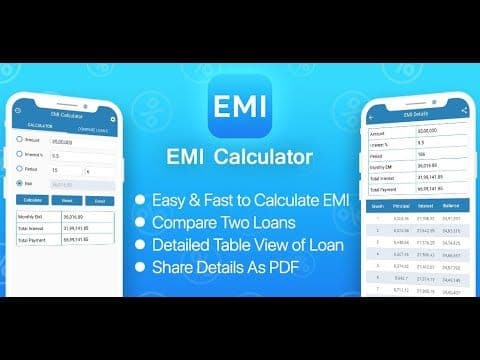
Getting a personal loan approved is not just about your income—it’s about showing responsible financial behaviour across the board. By cleaning up your credit card statements and staying proactive with your documents, you can make your next application faster, smoother, and better aligned with lender expectations. Want to see if you’re eligible? Check your pre-approved offer or use the EMI calculator on the Bajaj Finserv website to plan your next step. Responsible borrowing always pays off in the long run.
Disclaimer: Loan approval, interest rates, and terms are subject to eligibility and Bajaj Finserv policies. Please read all terms and conditions carefully.